
Spring turkey season in Minnesota is a bowhunter's paradox: the birds are fired up, vocal, and actively seeking companionship — yet getting one inside 20 yards while you're at full draw, in full camouflage, without being busted, is a genuine feat. Firearms hunters can shoot at 40 yards. You need to halve that. Understanding turkey behavior and using Minnesota's archery advantage to its fullest is what separates filled tags from great stories about the one that walked off.
Minnesota Seasons, Permits & What You Need to Know
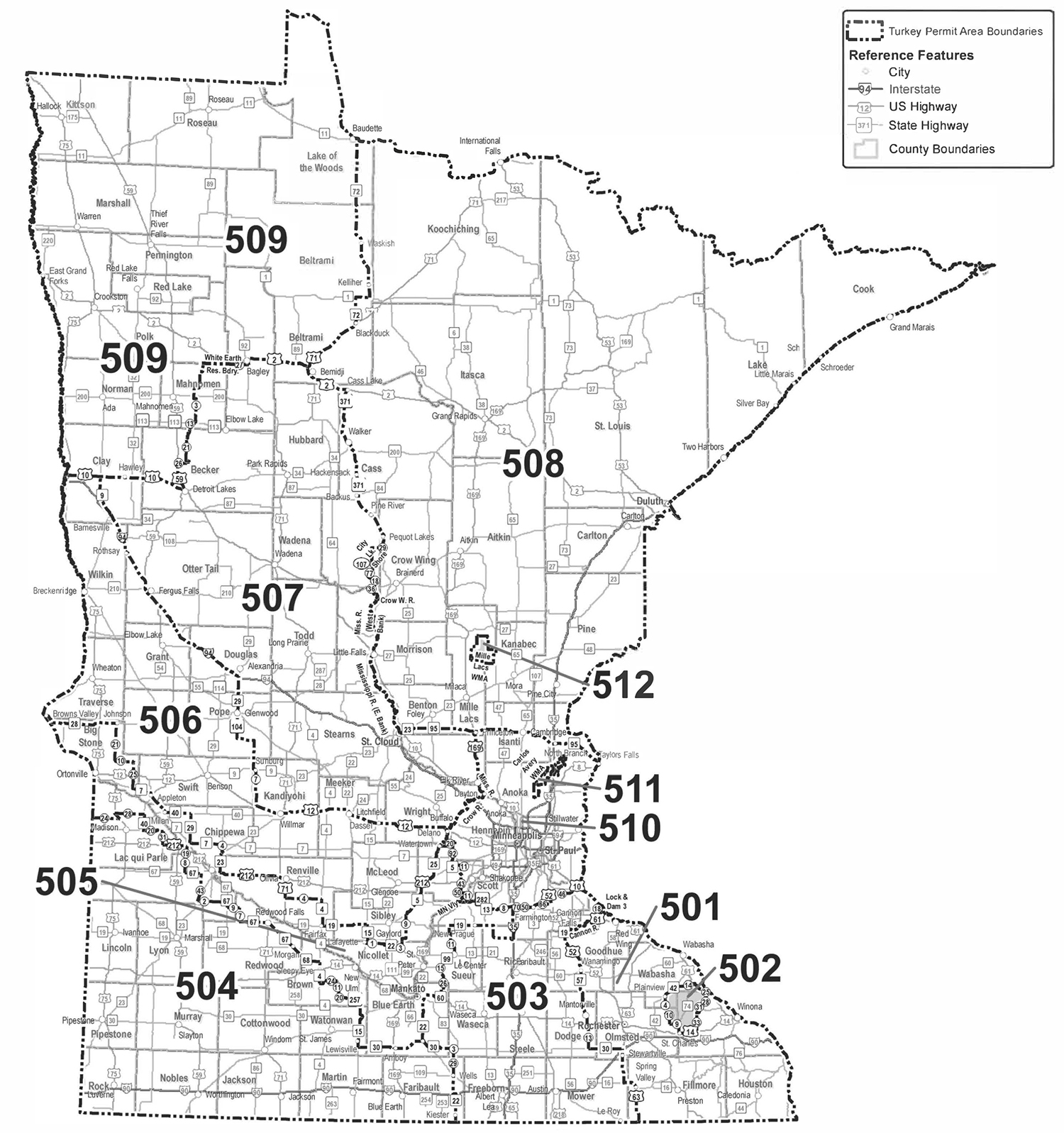
Before you can worry about calling a bird in, you need to be legal. Here's what the 2026 spring season looks like:
- Season dates: April 15 – May 31, 2026 (multiple permit periods; varies by zone)
- Bag limit: 1 bearded turkey — toms and bearded jakes only
- Shooting hours: One-half hour before sunrise to sunset
- License cost: $26 resident (base small game license also required)
Unlike firearms hunters, bowhunters aren't locked to a single time period — your archery tag is valid throughout all season periods. That's a significant extra window unavailable to gun hunters, and it means the woods quiet down around you as pressure drops.
Registration is required within 24 hours of harvest — do it online at the DNR site or by phone at 888-706-6367. Keep one leg or a fully-feathered wing attached until the bird is registered.
Understanding Spring Turkey Behavior
April and May in Minnesota means one thing for gobblers: breeding season. Testosterone-driven toms spend their days gobbling on the roost, strutting in open fields, and responding to hens. That predictability is your greatest asset — and your biggest challenge, because a lovesick tom heading toward a real hen has almost no reason to close those final 15 yards to your setup.
- Early season (periods 1–2, mid-April): Hens haven't started nesting yet, so toms are aggressive and responsive. Gobbling is at its peak. Birds are still grouped and easier to pattern off roost sites.
- Peak breeding (periods 2–4): Toms are henned up. This is the frustrating middle stretch — a gobbler with four hens in tow has no need to come find you. Work the hens; the tom will follow.
- Post-breeding (periods 5–8, mid-May onward): Hens are on nests. Toms are lonely again and desperately responsive. Late-season archery hunting can be exceptional, and hunting pressure has dropped significantly.
Calling Tactics for Bowhunters
Bowhunting forces a different calling approach than firearm hunting. You can't shift position easily, you need to be at full draw before the bird closes the final yards, and movement will burn you. That changes everything about how you call.
- Set up for the shot, not just the bird. Before you yelp once, decide exactly where you need that tom to stand for a clean broadside shot. Place your decoy — ideally a feeding hen with a submissive jake — at that spot, roughly 15–18 yards from your blind or tree.
- Call softer than you think you need to. Aggressive cutting and loud yelping works great when you need a bird to locate you at 200 yards. When he's at 80 yards and coming in, back off. Soft clucks and purrs say "I'm right here, relaxed, come close."
- Use a ground blind when possible. Drawing a bow while a turkey is at 20 yards is nearly impossible in the open. A pop-up blind changes everything — you can draw at full speed with minimal worry about movement. Set it up 3–4 days before you hunt so birds habituate to it.
- Let silent birds come in. Not every responding bird gobbles back. A "silent gobbler" will catch you completely off guard. Watch your decoy, not the treeline — birds often appear from unexpected angles.
- Don't overcall to a hung-up bird. A tom that stops at 60 yards and drums but won't commit is one of bowhunting's great frustrations. Stop calling entirely. Wait 10–15 minutes. Curiosity often does what calls can't.
Shot Placement & Practice
Shot placement is everything in turkey bowhunting. Unlike deer, a turkey’s vitals are compact and partially shielded by feathers and wing structure. A poorly placed arrow often results in a miss or a wounded bird that can be difficult to recover.
- Broadside or slight quartering-away is best. Wait for the wing to be forward and aim for the base of the wing where it meets the body — this targets the heart and lungs.
- Avoid frontal shots unless highly practiced. The vitals are smaller and more protected from this angle, making it a lower-percentage opportunity.
- Head/neck shots require specialized setups. Only attempt these with proper equipment and significant practice — they are unforgiving but effective when executed perfectly.
One of the best ways to build confidence is by practicing on realistic targets that replicate a turkey’s anatomy and angles. We suggest using one of these great targets from Deadnuts Outdoors:
Deadnuts Outdoors 2D Tom Turkey Frontal & Broadside Target Combo Pack
These targets help you visualize exactly where your arrow needs to go from multiple shot angles — something that flat block targets simply can't replicate. The more realistic your practice, the more confident you'll be when a tom finally steps into range.
Shot placement note: Wait for a tight broadside or slight quartering-away shot. Aim for the base of the wing where it meets the body — this hits the vitals cleanly. Head and neck shots with archery tackle are low-percentage and should only be attempted with mechanical broadheads specifically designed for it.
Spring turkey bowhunting in Minnesota is a long game. Some mornings the woods are electric and a tom is in your lap at 7 a.m. Other mornings you sit for four hours, hear one distant gobble, and drive home empty. The bowhunters who fill tags consistently are the ones who scout before the season, set up with the shot location in mind, call with restraint, and use the late archery window when everyone else has gone home. The birds are still there — and they're lonelier than ever.
Always verify current permit area regulations and shooting hours at mndnr.gov/hunting/turkey before heading afield.